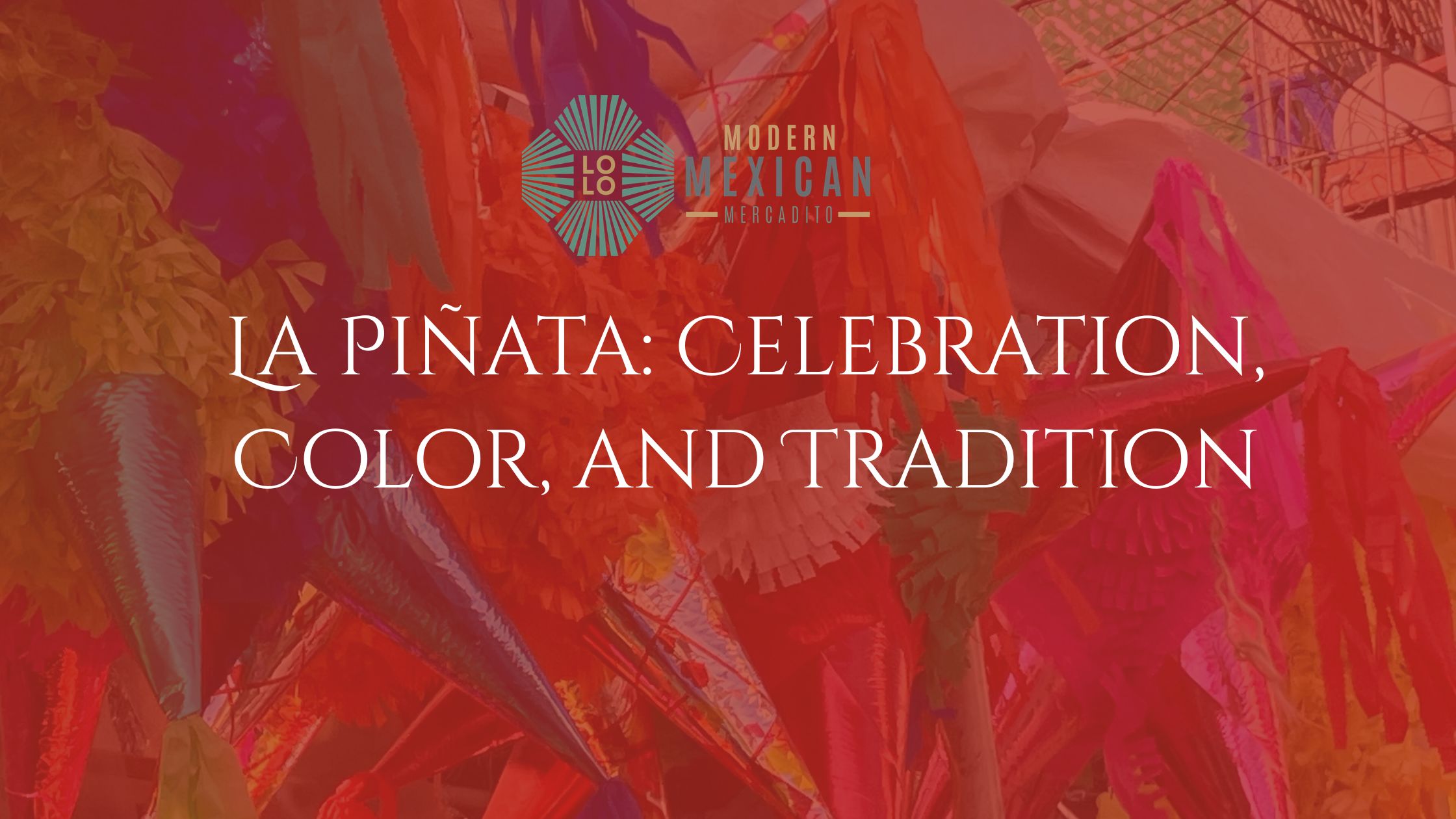
There are few things that carry the feeling of celebration in Mexico quite like the piñata. Filled with color, movement, music, and anticipation, the piñata has become a beloved symbol of gathering and joy across generations. Whether hanging at birthday parties, posadas, community celebrations, or family gatherings, the piñata continues to bring people together through laughter, play, and tradition.

The story of the piñata is layered and complex, shaped by many histories and cultural exchanges across the world. Like many traditions that have traveled through centuries, its origins continue to be debated. Some historians believe the idea of a decorated container filled with treats first arrived in Europe during the 14th century and later came to Mexico through Spain. Others point toward traditions in China, where paper figures shaped like animals were filled with seeds during New Year celebrations and broken apart with sticks as part of ceremonial festivities.
Yet throughout Mesoamerica, long before colonization, there were already ceremonies and practices that shared similarities with what we now know as the piñata.
Among the Mexica, celebrations honoring Huitzilopochtli, a powerful deity connected to the sun and movement, took place during the winter season. Historical accounts describe priests decorating clay pots with colorful feathers and treasures as offerings during ceremonies. These decorated vessels would later be broken, releasing their contents as part of the ritual. In some traditions, participants were blindfolded, something still deeply connected to piñata celebrations today.

There are also stories connected to Maya traditions where games involving blindfolded participants and decorated containers were already practiced before the arrival of Europeans. These parallels reveal how celebration, ritual, and symbolic play have long existed throughout many cultures.
One of the earliest recorded places connected to the piñata in Mexico is Acolman, located north of Mexico City. During the colonial period, the Catholic church began incorporating piñatas into religious celebrations and posadas around the year 1586. Over time, these traditions blended with existing Indigenous ceremonies already rooted in celebration, symbolism, and communal gathering.
The classic seven-pointed piñata became especially associated with Christmas posadas. Each point was said to represent temptation or challenges, while the act of breaking the piñata symbolized perseverance, hope, and abundance. Once broken, fruit, candy, and treats would fall from inside, transforming the moment into one of joy and sharing.

Over time, the piñata evolved far beyond religious symbolism and became part of everyday celebration throughout Mexico and across Latin America. Today, piñatas appear in endless forms: stars, animals, flowers, cartoon characters, traditional figures, and imaginative shapes created by artisans working with papier-mâché, cardboard, paper, glue, and paint.
Though the materials may have changed from clay pots to papier-mâché, the spirit of the piñata remains deeply connected to celebration and community. It is a tradition built around gathering together, taking turns, cheering one another on, and sharing what comes after the colorful burst.
At Lolo Mercadito, we celebrate traditions like the piñata because they carry the creativity, joy, and layered histories that continue to shape Mexican culture today. Behind every piñata is not only decoration and festivity, but generations of storytelling, artistry, and celebration kept alive through community.
By Diana Rodriguez