In Capula, a town known for its barro capulineado pottery, another tradition has flourished through clay, imagination, and celebration: Las Catrinas de Capula. These striking clay figures have become synonymous with the town itself, drawing visitors from across Mexico and beyond who come to witness the artistry, skill, and cultural pride embedded in each sculpture. What began as an artistic experiment has evolved into a defining tradition that connects generations of artisans and keeps alive one of Mexico's most beloved cultural symbols.

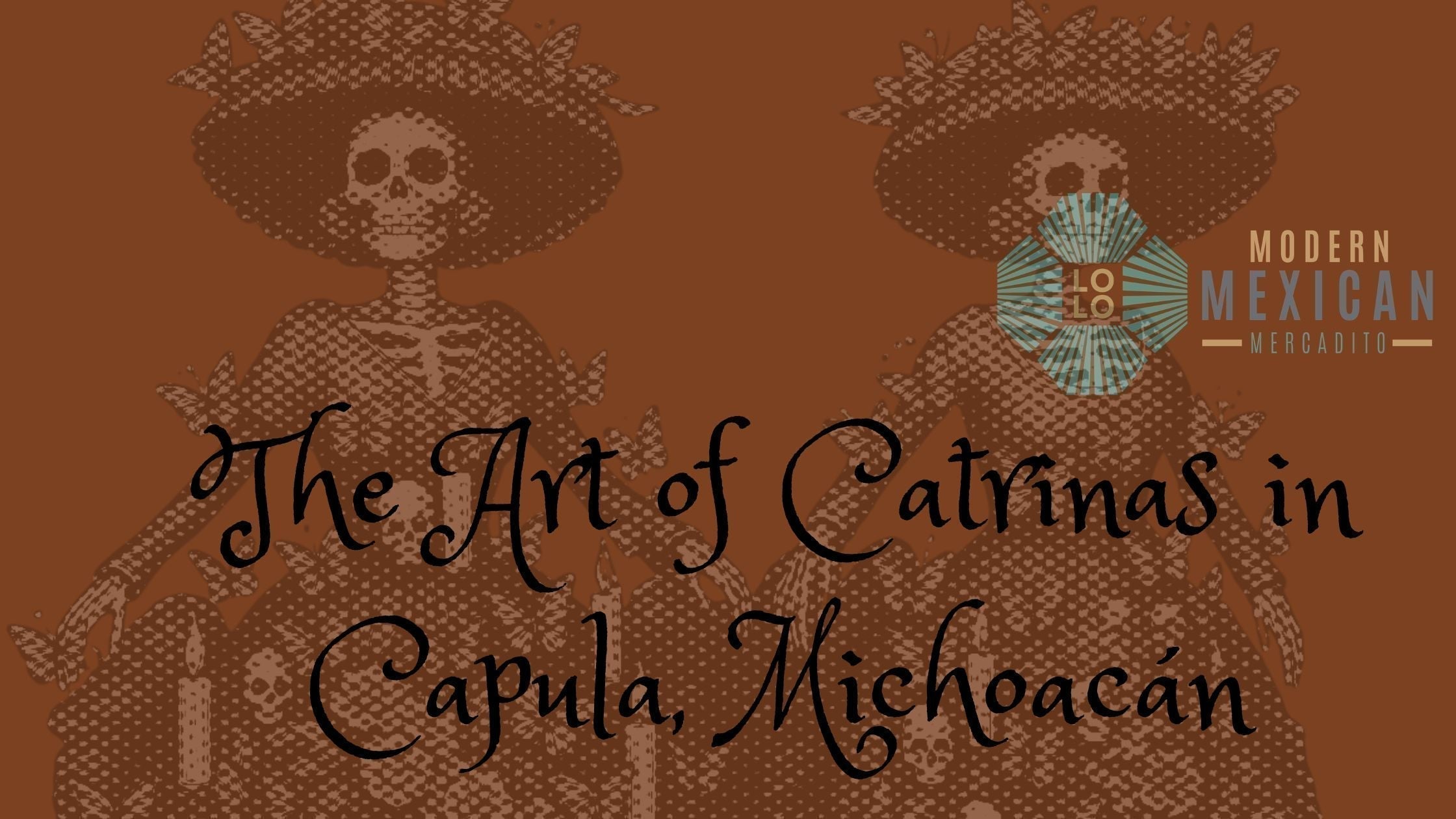
The story begins with José Guadalupe Posada, who created La Catrina in 1913 as a satirical illustration for a newspaper. Originally meant to critique social class and those who distanced themselves from their roots, the image slowly transformed into one of Mexico’s most recognizable cultural symbols. Today, La Catrina is deeply connected to Día de Muertos, representing remembrance, humor, and the understanding that death is not an ending, but part of life’s natural cycle.
Years later, artist Juan Torres helped shape a new chapter for this image in Capula. After moving to the town, he saw the possibility of transforming Posada’s illustration into something sculptural. In a community already deeply connected to clay traditions, he began teaching local artisans how to create Catrinas by hand. What started as a new artistic experiment slowly grew into a defining tradition for the town, with families passing these skills from one generation to the next.
Today, Capula has become widely recognized for these striking clay figures. Every year, visitors travel to the town during its annual Catrina celebration held from mid-October through the final days of Día de Muertos. The town fills with music, food, gatherings, and artistry that honor the presence these figures now hold. There is a also a artisanal competition of who created the most beautiful Catrina for the year. A time to showcase the anticipation of creativity and the ever evolving image of La Catrina.

Each Catrina carries her own personality. Some wear dramatic hats inspired by Posada’s original illustration, while others are adorned with flowers, feathers, jewelry, and vibrant dresses. Alongside them are catrines, their male counterparts, dressed in suits, uniforms, or occupations that reflect everyday life.
The process itself for creating one of these sculptures requires patience and precision. Clay is carefully molded by hand, shaped into delicate features and detailed garments before being fired and painted. Many artisans continue using natural pigments, creating rich colors that bring each sculpture to life.
At Taller Reyes, nestled in the heart of Capula, Michoacán, this centuries-old tradition continues to evolve with profound dedication and artistic vision. Their work honors the classic forms that José Guadalupe Posada first imagined while simultaneously creating new interpretations that reflect both deep historical roots and boundless imagination.
In this family-run workshop, each Catrina begins as raw clay and transforms through the skilled hands of artisans who have inherited this knowledge from their ancestors. From the initial molding to the final brushstroke, every figure is crafted with meticulous attention to detail. The Reyes family understands that a Catrina is never simply a decorative object: it is a conversation between past and present, between tradition and innovation.
What makes Taller Reyes distinctive is their commitment to honoring the legacy of Capula's pottery heritage while pushing the boundaries of what a Catrina can express. They paint with natural pigments that bring warmth and richness to each sculpture. They sculpt features that capture not just the iconic skeletal elegance, but also the personality, humor, and spirit that makes each figure unique. Some wear elaborate hats adorned with flowers and feathers; others display intricate jewelry or reflect the professions and daily lives of the community.
The artisans at Taller Reyes recognize that they are keepers of something sacred, a cultural practice that connects Día de Muertos, Mexican identity, and the timeless relationship between life and death. By continuing to craft these figures by hand, they ensure that the art form remains alive, evolving, and deeply rooted in the clay and soul of Capula.

The Catrinas of Capula remind us that art can help us hold memory with tenderness. Through clay, color, and celebration, they continue to show that life and death are deeply connected, not separate, and that both can be honored with beauty. These remarkable sculptures transcend their origins as satirical commentary to become vessels of cultural pride, artistic mastery, and intergenerational storytelling. In Capula's hands, La Catrina has evolved from a single illustration into countless interpretations, each one a conversation between tradition and imagination. Whether adorned with flowers and feathers or dressed in the garments of everyday life, every Catrina carries the spirit of a community devoted to keeping Mexico's most beloved symbols alive through the timeless medium of clay.
By Diana Rodriguez