When Día de Muertos arrives, our faces can become part of the celebration.
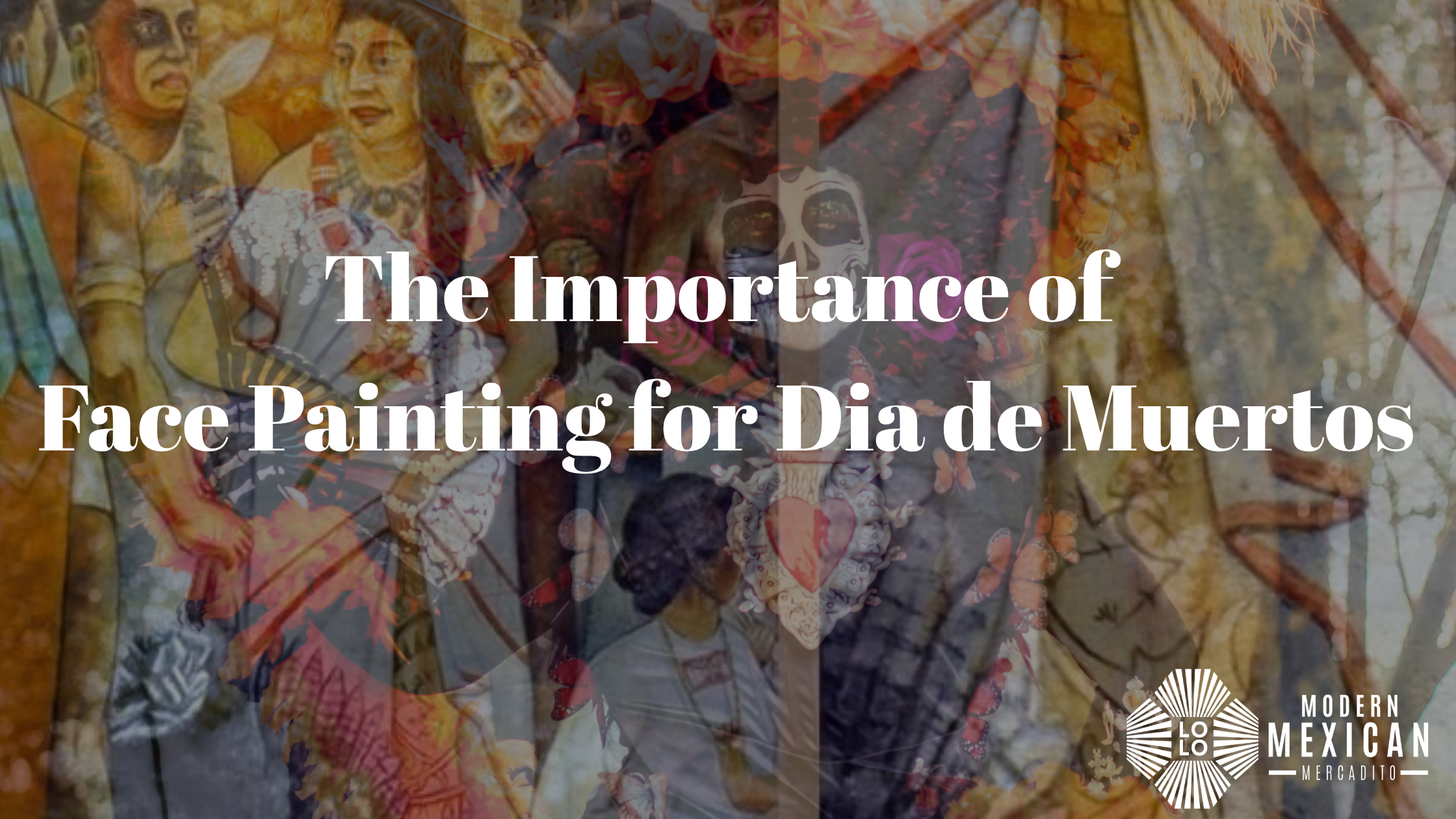
Across Mexico and in Mexican communities around the world, you may see faces painted with calaveras, flowers, candles, intricate patterns, and the beautiful image of La Catrina. For some, face painting is a simple way to participate in the festivities. For others, it becomes something much more meaningful, a way to honor family, remember those who have passed, and carry tradition from one generation to the next.

The calavera, or skull, is at the heart of much of this imagery. But the skull of Día de Muertos is not meant to be frightening. It reminds us that death is part of life. During Día de Muertos, we remember our loved ones through food, music, photographs, stories, flowers, candles, altars, and celebration. The painted face becomes another way of carrying that memory.
A calavera can be decorated with bright flowers, hearts, stars, swirls, cobweb-like patterns, or details that are entirely personal. No two painted faces have to look the same. One person might paint a small flower beside the eye. Another might cover their face in an elaborate Catrina design. The important part is that each person can make the tradition their own.
For many families, getting ready for Día de Muertos is part of the celebration itself. Children and adults gather around the mirror, help one another paint, choose colors, and decide how they want their calavera to look. It can become a moment shared between generations, just like preparing food, arranging flowers, making an ofrenda, or telling stories about someone who is no longer here.
The history behind this imagery is much older and more layered than the makeup we commonly see today.

Long before the modern image of Día de Muertos developed, Indigenous peoples of Mexico held deep spiritual relationships with death, ancestors, and the underworld. Among the Mexica, Mictecacihuatl was associated with Mictlan, the underworld, and with the bones of the dead. In Mexica cosmology, she and Mictlantecuhtli were represented with skeletal imagery, reminding us of the long relationship between death, transformation, and the cycles of existence.
Face and body painting during Mexica times also carried spiritual, political, and ritual meaning. People did not simply paint their faces to look like skulls in the way we might today. Pigments made from minerals, soils, insects, and plants could communicate identity, status, sacred association, or protection.
Colors themselves mattered.

Certain priests used dark pigments as part of ritual practices connected to protection and the spiritual world. Warriors used particular colors and patterns that communicated their status and accomplishments. People representing deities during ceremonies could be painted according to the colors and designs associated with that particular sacred being. High-status women also used pigments and painted designs as part of their appearance.
In this sense, painting the body was never simply about decoration. Color could carry meaning. Materials could carry meaning. The body itself could become a place where identity, ceremony, and the spiritual world met.
The Día de Muertos traditions we recognize today developed through many layers of history. Indigenous traditions surrounding death and remembrance were transformed through colonization and became intertwined with Catholic observances such as All Saints' Day and All Souls' Day. Over time, these traditions continued to change, adapt, and become part of the many regional expressions of Día de Muertos that exist today.
The image of La Catrina that we know so well is also relatively modern. In 1910, Mexican illustrator José Guadalupe Posada created La Calavera Catrina as a satirical image. Posada's elegant skeleton mocked vanity and the social pretensions of those who tried to distance themselves from their Indigenous and working-class roots. The skeleton made an important point: beneath clothing, wealth, status, and appearances, we are all mortal.
That history remains present in the Catrina image today.
When someone paints their face as a calavera or Catrina, they are participating in an image that can hold many meanings at once. It can remind us of the impermanence of life. It can honor someone we miss. It can celebrate beauty. It can make space for humor. It can bring a family together around a mirror. It can also remind us that death is something shared by all of us.

Día de Muertos is filled with color. Cempasúchil flowers brighten the altar. Papel picado moves with the air. Candles illuminate photographs. Handmade ceramics hold food and offerings. Embroidered clothing, painted pottery, candles, textiles, and flowers all become part of a larger visual language.
Face painting belongs within this world of color and remembrance.
The cempasúchil, in particular, has become closely associated with Día de Muertos. Its vibrant color and fragrance are traditionally connected with guiding the spirits of the departed toward the ofrenda. When its petals appear in face painting, clothing, altars, or decorations, the flower carries with it the larger symbolism of memory, welcome, and return.
This is part of what makes Día de Muertos so beautiful. The celebration does not separate art from life. Food, clothing, flowers, music, stories, objects, and the body itself can all become part of remembering.

At LOLO Mexican Mercadito, we love the way Día de Muertos brings together art, family, memory, and tradition. We also love that traditions are living things. They move from one generation to another, but they are never completely frozen in time. People continue to make them, reinterpret them, and find new ways to express what they mean.
Wearing Catrina makeup today does not mean that every person is recreating an ancient Mexica ceremony. The contemporary calavera face is part of a much larger history, shaped by Indigenous traditions, colonial history, Catholic practices, Mexican popular culture, and the political art of José Guadalupe Posada.
Knowing this history gives the painted face another dimension.
It becomes more than a costume.
It becomes an opportunity to think about who we remember, where our traditions come from, and what we carry with us. It can be a way of celebrating someone whose laughter we still remember, cooking a dish they loved, placing their photograph on an altar, telling their stories, or simply carrying their memory with us.
So whether your Día de Muertos calavera is simple or elaborate, whether you paint your face with your family at home or join a community celebration, take a moment to think about what the tradition means to you.
Paint your face. Tell a story. Remember someone you love.
Because Día de Muertos is not about forgetting that life ends.
It is about making sure love, memory, and the stories of those who came before us continue to live.
By Diana Rodriguez