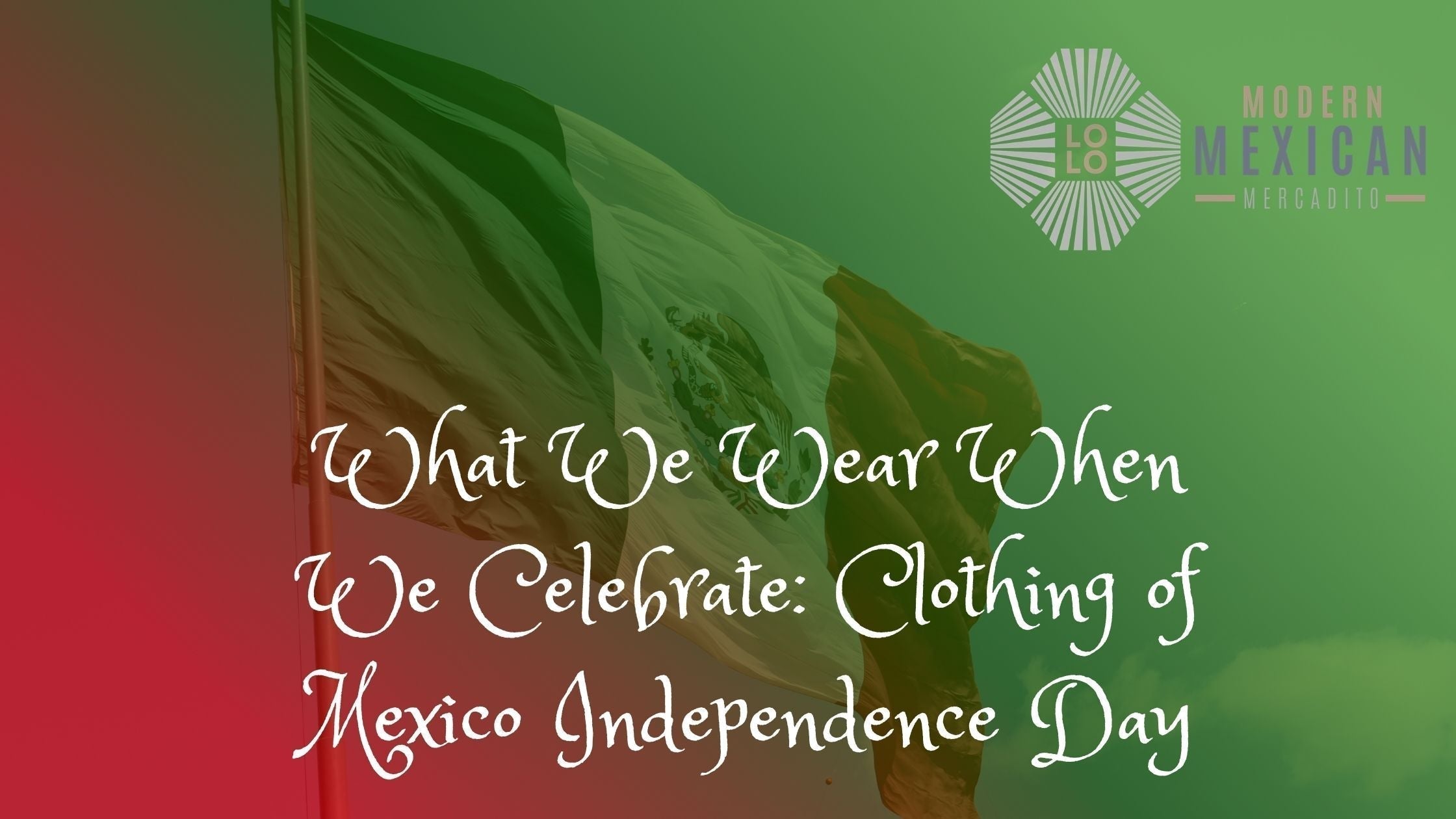
When September arrives in Mexico, the colors of the flag begin to appear everywhere. Green, white, and red find their way onto streets, decorations, food, papel picado, and, of course, what we wear. It's a time when clothing transforms into something more than fabric and thread, it becomes a way of honoring history, celebrating identity, and connecting with the people and places we love. Whether someone reaches for a garment passed down through generations or chooses something new that speaks to their own sense of pride, what we wear during Independence Day carries meaning. It tells a story about where we come from, what we value, and the traditions we want to keep alive.

For Mexico’s Independence Day, clothing becomes another way to celebrate culture, history, family, and pride. Some people reach for traditional garments rooted in regional traditions, while others add a simple tricolor scarf, an embroidered blouse, or a pair of boots to an everyday outfit. There is no single way to dress for the celebration. What we wear can be a reflection of where we come from, what we value, and the traditions we carry with us.
Few garments are as recognizable as the charro suit. With its fitted silhouette, intricate embroidery, decorative buttons, and connection to Mexican horsemanship, the traje de charro carries a strong sense of tradition. The charro suit has deep roots in Mexico's history, originating from the skilled horsemen who worked the ranches and haciendas across the country. These riders developed a distinctive style of dress that combined practicality with elegance, creating garments that allowed for movement while showcasing fine craftsmanship and attention to detail.
Often associated with mariachi musicians and celebrations, the suit reflects the history of the Mexican charro and the importance of horsemanship in Mexican culture. The embroidery, silver buttons, and tailored fit became symbols of skill, status, and cultural pride. Over generations, the charro suit evolved from working attire into formal wear, worn at weddings, festivals, and important celebrations. During Independence Day festivities, it becomes a statement of heritage, elegance, and national pride. The charro suit is more than formal wear. It's a living connection to Mexico's past, worn by those who want to honor the craftsmanship, skill, and cultural pride that the garment represents. When someone puts on a charro suit, they're not just wearing clothes, they're carrying forward a tradition that speaks to Mexico's identity and the values of those who came before.

The China Poblana is another familiar image of Mexican dress. Known for its colorful skirt, embroidery, sequins, and decorative details, it has become closely associated with Mexican identity and celebration. While it is often presented today as a national symbol of Mexican clothing, its history is more regional and deeply rooted in the traditions of Puebla.
The China Poblana emerged in Puebla during the colonial period, reflecting the cultural blend of indigenous, Spanish, and Asian influences that shaped the region. The garment became particularly popular among women in Puebla and other urban areas of central and southeastern Mexico, where it developed its distinctive character. The full, colorful skirt, often decorated with intricate embroidery and sequins in patterns of stars, flowers, and geometric designs, became a signature element. The blouse, typically white and embroidered, paired with a rebozo and jewelry, completed the ensemble. Each region and family added their own variations, making the China Poblana a reflection of local pride and personal style.
By the nineteenth century, the China Poblana gradually disappeared from everyday dress as fashion and urban life evolved. However, the garment never truly faded from Mexican culture. Instead, it transformed into something more symbolic, becoming a representation of Mexican heritage and celebration. Today, it appears at festivals, performances, Independence Day celebrations, and special occasions, carrying with it the history and artistry of Puebla and the broader Mexican tradition. When someone wears a China Poblana, they honor not just a beautiful garment, but the generations of women who wore it and the cultural legacy it represents.

For those looking for something lighter, the guayabera offers a classic and comfortable way to celebrate. Traditionally made from lightweight fabrics, these shirts are recognized by their pleats, pockets, and relaxed elegance. They are especially suited to warm-weather celebrations and can be paired with trousers, denim, or traditional accessories for a look that feels both polished and distinctly Mexican.

Then there are the embroidered blouses and dresses that carry their own stories through thread. Across Mexico, communities have developed embroidery traditions inspired by flowers, plants, animals, landscapes, and local histories. A white manta blouse decorated with colorful hand embroidery can transform an everyday outfit into something connected to place and tradition. For Independence Day, these pieces might be paired with denim, skirts, jewelry, or boots, creating an outfit that feels festive while remaining personal.


Sometimes celebrating is much simpler. A beautiful rebozo draped over a white blouse, a pair of colorful earrings, or even a graphic tee can weave the colors of the Mexican flag into an everyday outfit. The tricolor can be bold and festive, commanding attention, or subtle and understated, a quiet nod to pride and heritage. There is something truly special about seeing the same three colors appear in so many different ways across a celebration, each person making them their own, each choice a reflection of how they connect to the day and to Mexico.

And then there are the botas. A good pair of leather boots can bring an outfit together while connecting it to Mexico’s traditions of leatherworking, ranching, and regional dress. Worn with denim, a flowing skirt, an embroidered dress, or a guayabera, boots add something grounded, practical, and ready for a long evening of celebration.
What we wear during Mexico’s Independence Day celebrations is about more than red, white, and green. It can be a connection to a region, a family tradition, a craft, a memory, or simply a feeling of pride. Some of us celebrate in embroidered clothing inspired by generations of tradition. Others wear a favorite pair of boots, a guayabera, or a blouse that reminds us of home. And sometimes, all it takes is a little color.
At Lolo Mexican Mercadito, we believe the things we wear and bring into our homes can help us stay connected to the stories, people, and traditions that make Mexico so rich. This September, however you choose to celebrate, wear a little Mexico, carry the story with you, and let what you wear become part of the celebration.
We carry a carefully curated selection of clothing for men, women, and children from guayaberas to embroidered blouses and dresses and rebozos. Whether you're looking for something rooted in generations of tradition or a modern piece that honors our heritage, you'll find what you need to celebrate in style. Explore our full collections and make this year's celebration truly special.
By Diana Rodriguez