In many parts of Mexico, mezcal is more than a drink. It is a relationship to land, fire, patience, and memory. The word mezcal comes from the Nahuatl word mexcalli, often translated as "cooked agave." Long before mezcal became known around the world, communities across Mexico were already working with agave in ceremonial, medicinal, and daily life. The making of mezcal became part of this long relationship with the plant, combining Indigenous knowledge with distillation techniques that arrived through Pacific trade routes during the colonial period.
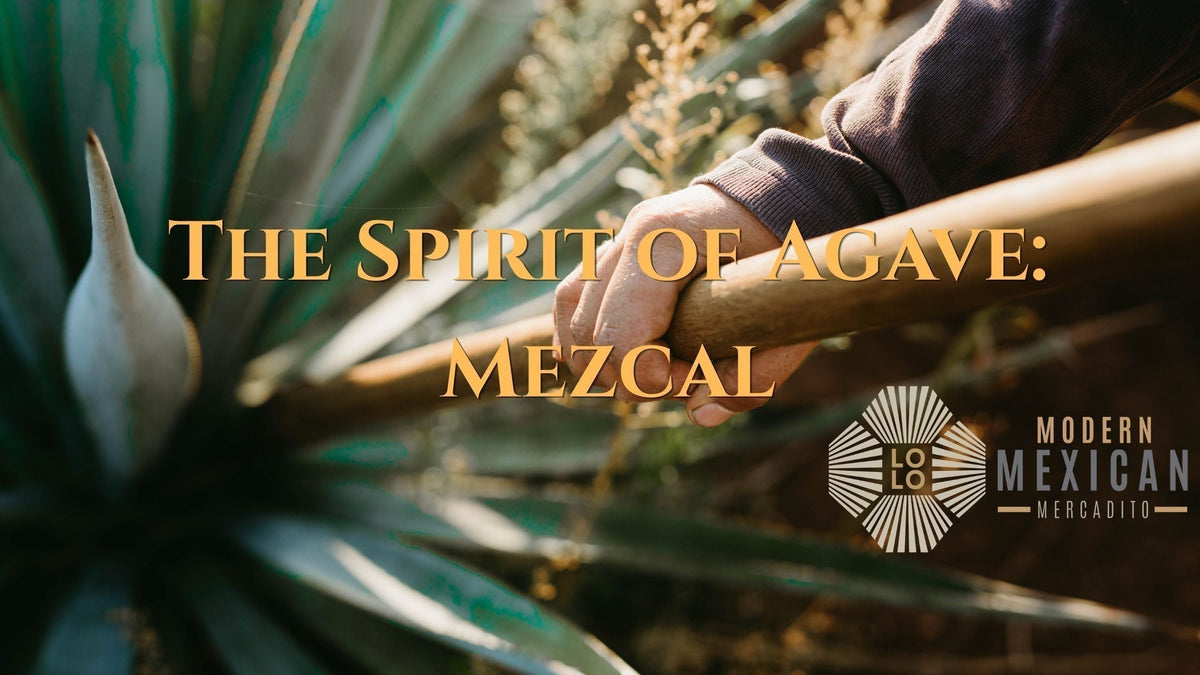
It begins with agave, a plant that grows slowly under strong sun and dry earth, carrying years of time within its leaves before it is ever harvested. Some agaves take seven, ten, even fifteen years to mature. Only then can the heart of the plant, the piña, be prepared for mezcal. This patience is woven into every bottle, a reflection of the deep connection between the land and those who tend it.


Today, mezcal production is deeply rooted in Oaxaca, where vast fields of agave stretch across mountains and semi-desert landscapes. Many families continue producing mezcal through generational practices that honor traditional methods passed down through time. The process begins with harvesting mature agave plants, whose hearts, or piñas, are then prepared for transformation.

The cooking process is where tradition truly comes alive. Agave hearts are roasted underground in earth pits lined with stone and wood, where smoke and heat work together to slowly transform the plant's sugars and structure. This underground cooking imparts the distinctive smoky character that mezcal is known for. Once cooked, the agave is crushed by hand or with traditional tools, then fermented in open vessels where wild yeasts and local microorganisms contribute to the spirit's unique flavor profile. The fermented liquid is then distilled through methods that vary significantly from region to region, using clay, copper, or wooden stills that each contribute their own subtle influence to the final product.
What makes mezcal remarkable is its diversity. More than thirty varieties of agave are used in mezcal production, each carrying its own distinct character. The flavor of mezcal depends on countless variables: which agave species is used, the mineral content of the soil where it grew, the water source, the type of wood burned in the cooking pit, and the skill and intuition of the mezcalero who guides the entire process. Some mezcals are bright and herbal, others deeply earthy, floral, mineral, or intensely smoky. No two mezcals are exactly alike.
There is no single mezcal. Some are bright and herbal, others earthy, floral, mineral, or deeply smoky. The flavor changes depending on the agave species, the soil, the water, the wood used in cooking, and the hands that make it. More than thirty varieties of agave are used for mezcal production, each carrying its own character and rhythm.
Traditional mezcal making also reflects care for material and process. Artisanal and ancestral mezcals are often distilled using clay, copper, or wooden stills, materials that shape the flavor and preserve older ways of working. In many communities, mezcal remains connected to gatherings, offerings, celebrations, mourning, and moments of togetherness. It is poured slowly, shared carefully, and accompanied by conversation.

To speak about mezcal is also to speak about resilience. Through colonial bans, changing economies, and industrial production, many mezcaleros continued protecting their methods and knowledge across generations. What survives today is not only a spirit, but a living practice rooted deeply in land, community, and time.
This resilience is visible in every bottle. Mezcaleros have safeguarded recipes, techniques, and relationships to agave that span centuries. They have chosen tradition over mass production, quality over quantity, and connection over convenience. In doing so, they have kept alive a practice that honors both the plant and the people who work with it.
Today, as mezcal gains recognition beyond Mexico's borders, this commitment to tradition becomes even more important. The mezcaleros of Oaxaca and beyond continue their work not for global trends, but because mezcal is woven into the fabric of their communities, their identities, and their relationship to the land. Each bottle represents a choice to continue what their ancestors began, a choice made year after year, generation after generation.
When you drink mezcal, you are tasting the result of this resilience. You are experiencing the knowledge of people who refused to let their traditions disappear. You are holding in your hands a spirit that carries memory, resistance, and the determination of communities to remain rooted in who they are.
Make sure you check out our Hand-Carved Mezcal Gourd, perfect a traditional sipping experience, or any of our other Mezcaleros to bring home the celebrations and traditions of Mezcal.
By Diana Rodriguez