For generations, the red earth of Patamban, Michoacán continues telling stories through the hands of artisans who shape it into vessels of memory.
Surrounded by the rich red earth of the Purépecha region, Patamban has long been known for its ceramic traditions, forms shaped by hand, fire, family, and an enduring relationship with the land. The Purépecha people, indigenous to Michoacán, have inhabited this landscape for centuries, developing deep knowledge systems rooted in the natural world around them. Their connection to the earth is not merely practical but spiritual and cultural, woven into every aspect of daily life and artistic practice.
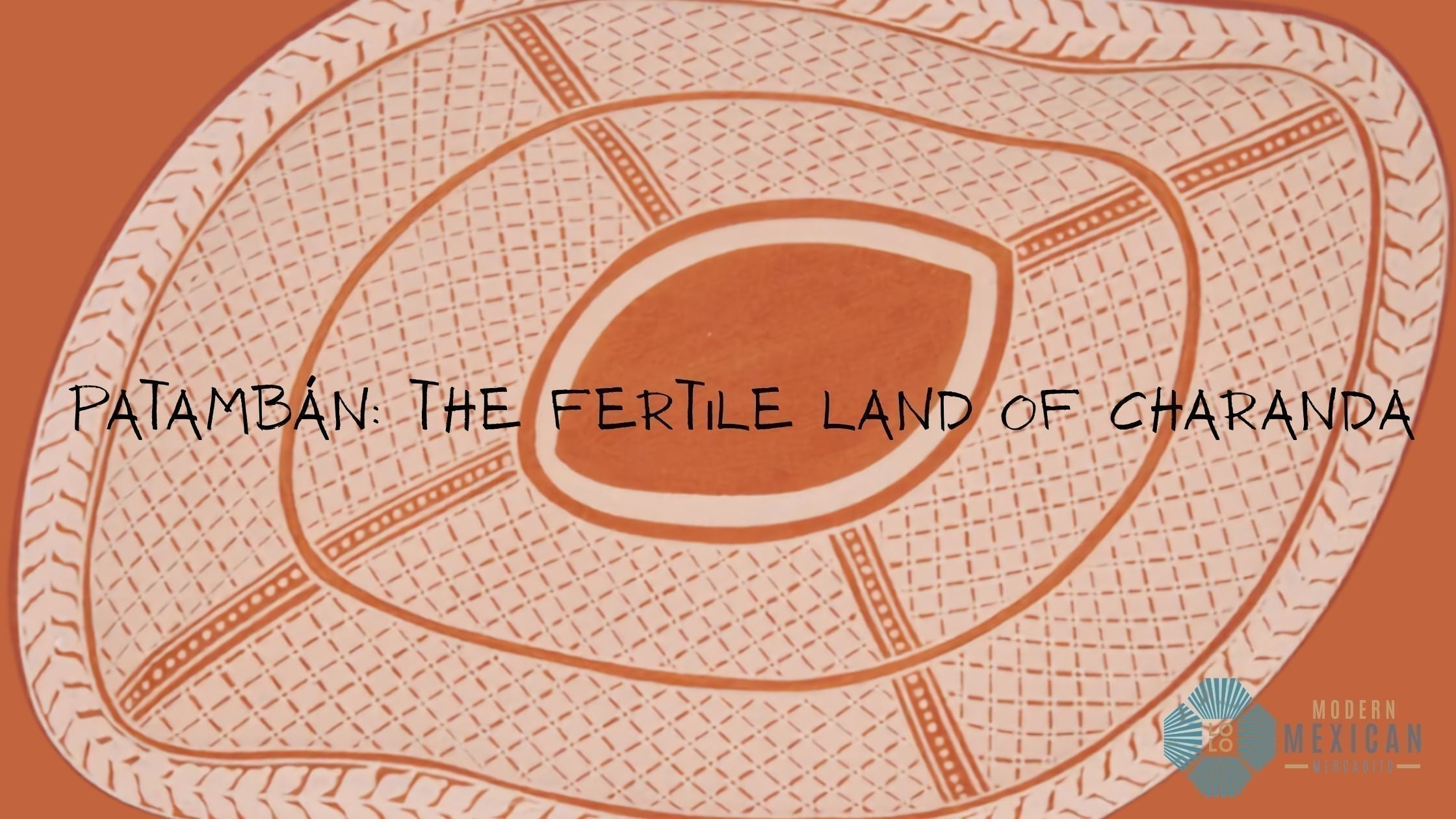
The clay found here is deeply tied to charanda, a Purépecha word often used to describe the region's fertile red soil, formed over time by the presence of ancient volcanoes that once shaped this landscape. This volcanic heritage gives the earth its distinctive color and composition, qualities that the Purépecha have understood and worked with for generations. The word itself carries the weight of that relationship, connecting language, land, and livelihood in a single term.

The Purépecha civilization flourished in this region long before Spanish contact, developing sophisticated agricultural systems, trade networks, and artistic traditions. Their knowledge of ceramics, agriculture, and land stewardship was passed down through oral tradition and direct practice. Even as centuries have passed, the Purépecha people have maintained their cultural identity, language, and craft traditions in communities like Patamban. The ceramics created here are not simply inherited techniques, they are living expressions of Purépecha heritage, continuity, and resistance to cultural erasure.
In Patamban specifically, the Purépecha artisans have become guardians of ceramic knowledge that reflects their ancestors' understanding of clay, fire, and form. The red earth beneath their hands carries the memory of their people, their relationship to this particular place, and their commitment to keeping these traditions alive for future generations.

From this earth, generations of artisans have continued creating pottery that remains deeply connected to everyday life. Water jugs, serving vessels, decorative pieces, and large ceramic forms continue to be made in homes and workshops where knowledge is passed through witnessing, repetition, and time. Many artisans begin learning as children, watching parents and grandparents work with clay before eventually developing their own relationship with the craft.
One of Patamban’s most recognized techniques is barro bruñido, a process that gives clay its soft natural shine. After a piece is formed and partially dried, artisans carefully polish the surface using a stone or river rock. This slow and repetitive movement reveals a subtle brilliance within the clay itself, one that does not require excess, only patience.
Alongside this technique, many pieces are adorned with Patamban’s signature white painted geometric designs. These patterns have become deeply associated with the region, each line painted by hand with remarkable precision. Within many workshops, this process becomes communal—one family member shapes the clay, another burnishes the clay, another paints, and another tends the kiln. It is a practice built on shared labor, trust, and legacy.


This spirit is beautifully reflected in the work of Taller Contreras and Taller Ventura, two workshops that continue to honor Patamban's ceramic traditions while bringing their own distinct artistic language to each piece.
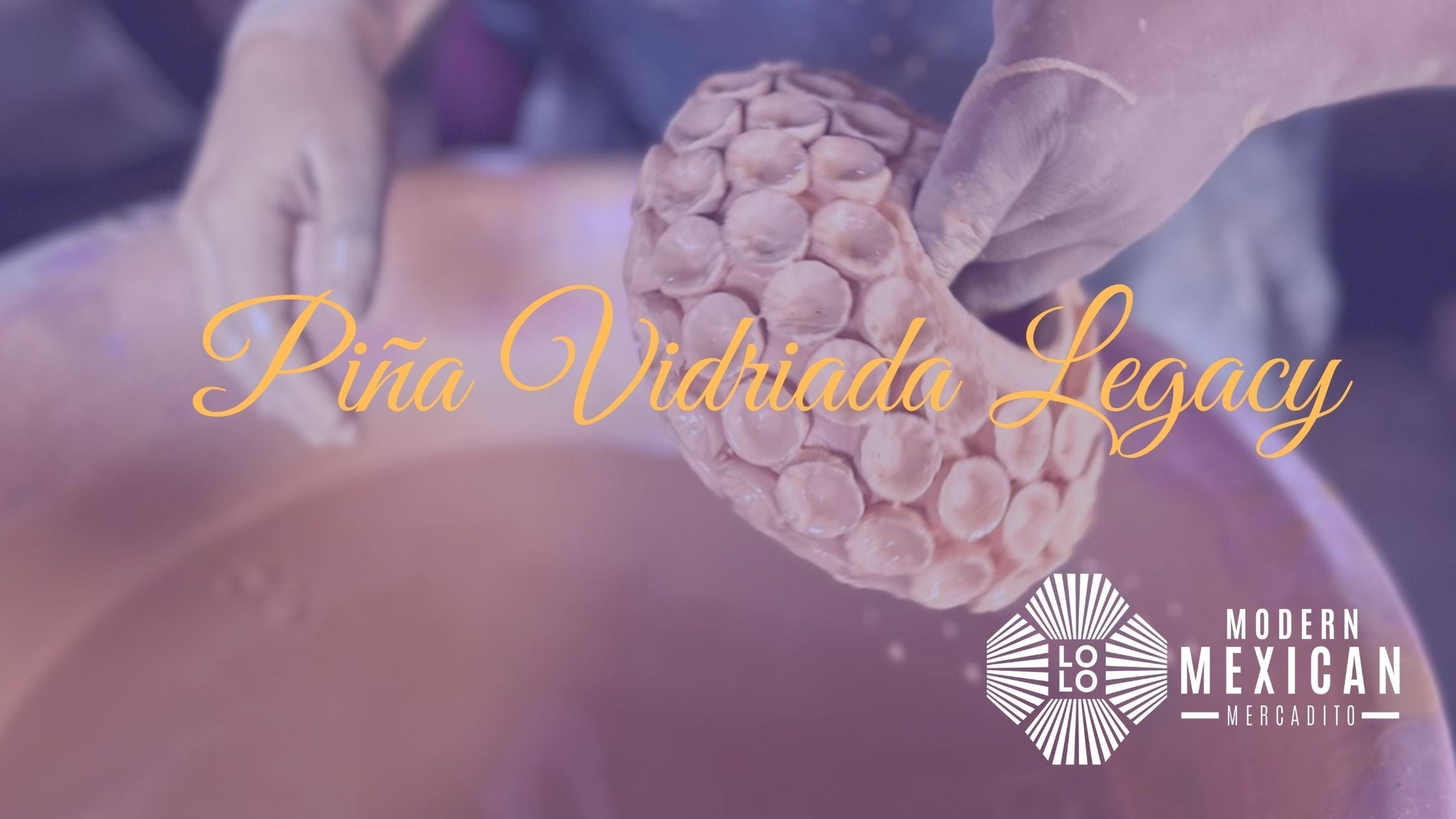
At Taller Contreras, a family workshop that has become a cornerstone of the community's ceramic practice, Vicente Contreras is often recognized for his delicate hand-sculpted and pressed floral details. These botanical forms bloom across the surface of their ceramics, creating layers of texture and softness within the clay. Each flower pressed into the earth becomes a signature of his craft, a personal mark that honors both tradition and individual creativity.

What makes Taller Contreras particularly special is how they approach the relationship between technique and storytelling. While maintaining the foundational practices of Patamban, the burnished surfaces, the careful attention to form. Vicente and his family have developed their own visual language. Their pieces speak to both the heritage of the region and the hands that shape them today. The floral elements are not merely decorative; they represent a conversation between the artisan's vision and the clay's potential.
Similarly, Taller Ventura carries forward its own interpretation of Patamban's traditions, demonstrating that these ceramic practices are not frozen in time but living, evolving expressions of cultural knowledge. Each workshop, each family, each artisan brings their own understanding to the red earth, creating a rich tapestry of work that honors the past while remaining rooted in the present.
In Patamban, this diversity of voices within a shared tradition reflects something essential about how knowledge survives and thrives, not through rigid repetition, but through the commitment of individuals and families who choose, generation after generation, to keep these practices alive.

In Patamban, ceramics are not simply objects shaped from earth. They are reflections of heritage, collaboration, and the quiet beauty of traditions that continue to endure. Every vessel that emerges from the red earth carries within it generations of knowledge, the hands of ancestors, the patience of families working side by side, and the commitment of artisans who choose, year after year, to keep these practices alive. When you hold a piece from Patamban, you are holding more than clay fired in a kiln. You are holding a conversation between the land and the people who have learned to listen to it, shape it, and honor it through their craft.
By Diana Rodriguez