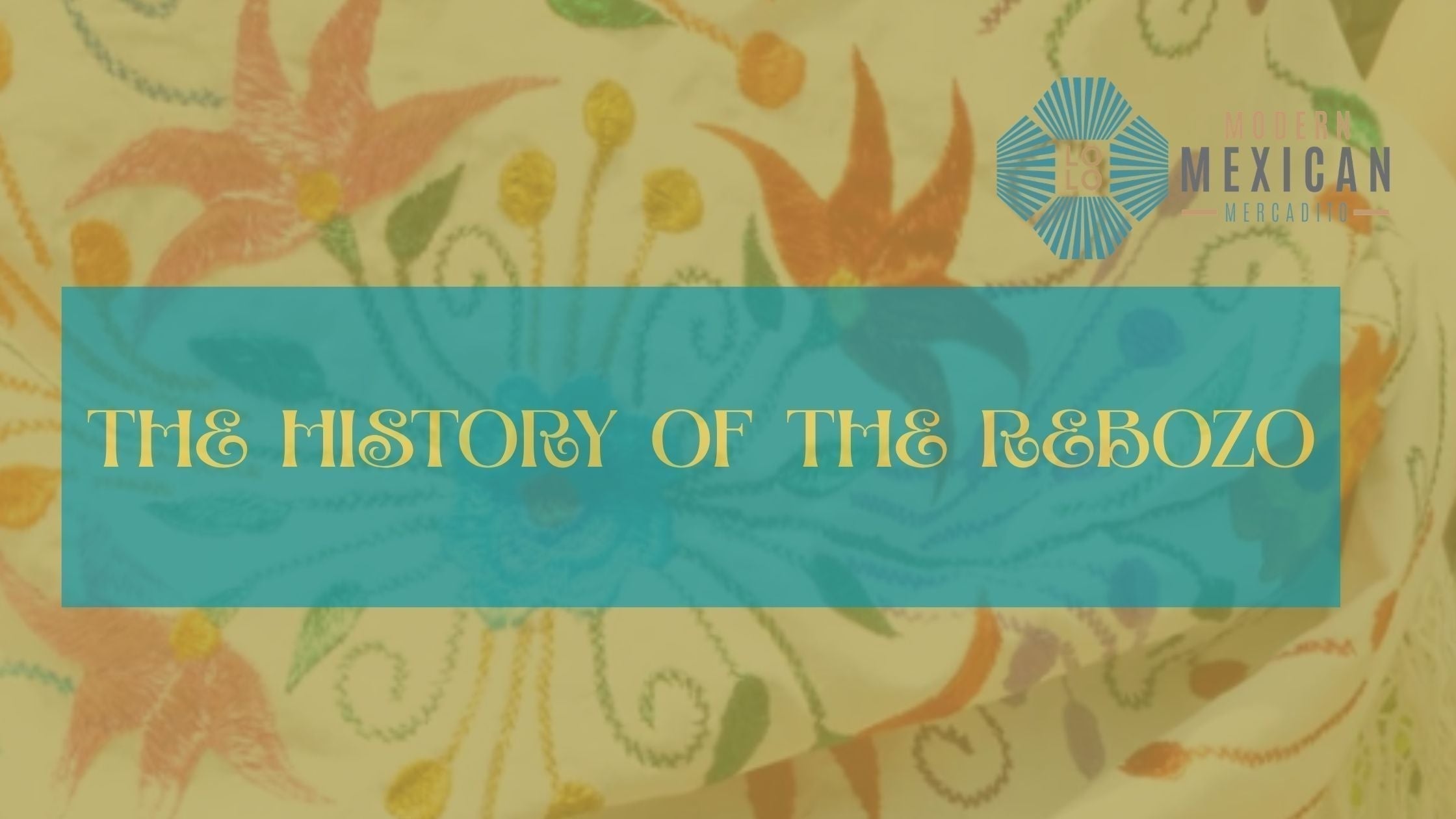
Across Mexico, the rebozo has been part of daily life, wrapped around shoulders for warmth, used to shield from the sun, to carry a baby close to the body, transport food, materials, and to offer comfort during one’s most intimate moments in life. The rebozo is both practical and a powerful symbol, woven into the lives of women throughout generations.

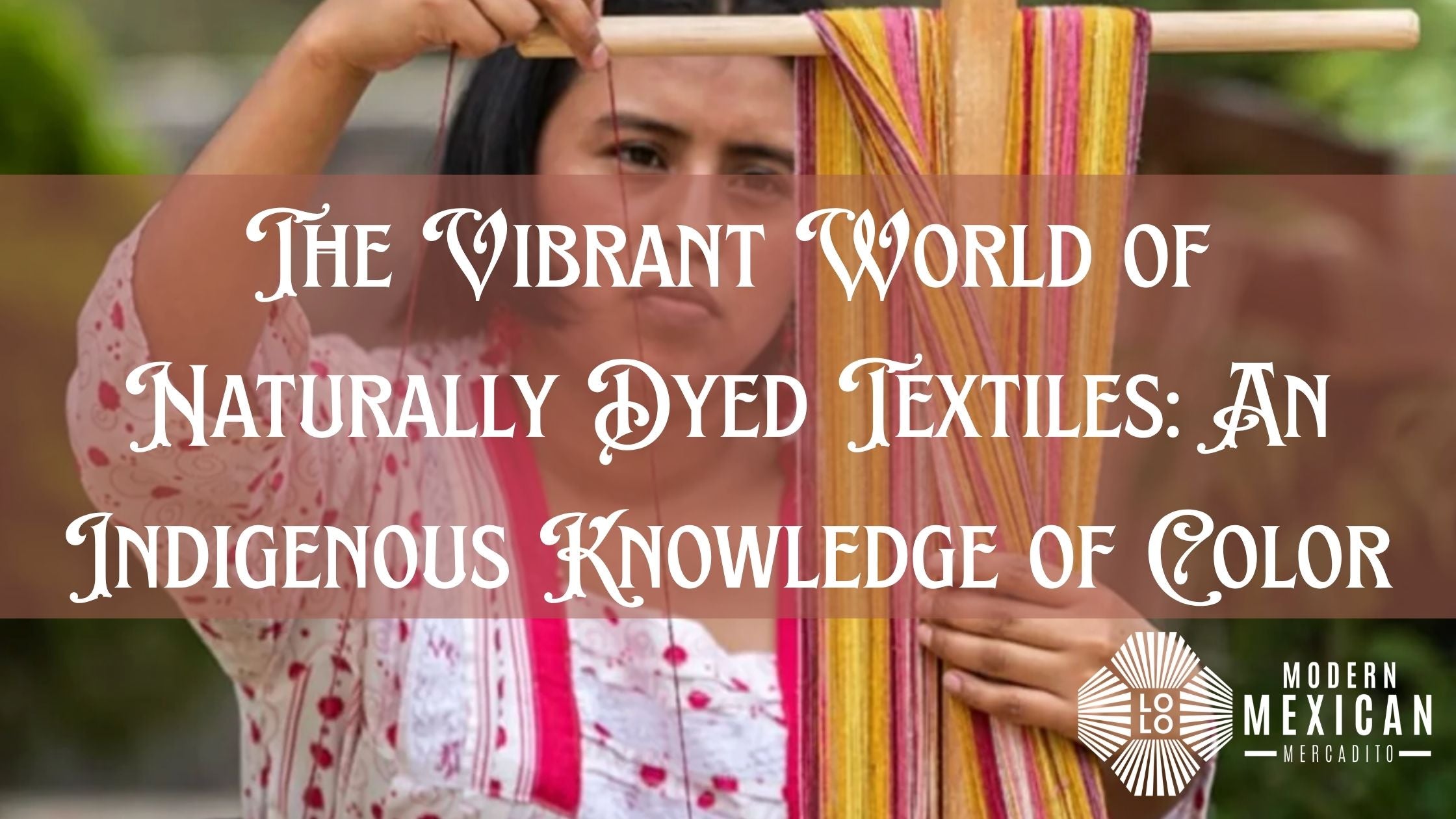
Its origins are traced back to early colonial periods, when different cultural influences began to merge across Mexico. What remains clear is that indigenous women were the first to weave and shape what were to become the rebozo. Many early versions were created on backstrap looms, carrying techniques that existed long before colonization.
The word rebozo comes from Spanish, from a verb meaning to cover or wrap oneself. But indigenous communities have always held their own names for this garment. In Nahuatl ciua nequealtlapacholoni, often interpreted as that which touches a woman. In Otomi as mini-mahua, and in parts of Hueyapan, Morelos cenzotl, a phrase connected to the idea of cloth of many colors.
Long before the rebozo took its now recognizable form, there were other garments used across Mesoamerica that shared similar styles. The ayate, made from maguey fibers, was used to carry goods. The mamatl, woven from cotton, often featured decorative borders and often helped transport daily objects. The tilma served as both a clothing and practical carrying cloth. These early textiles reveal how deeply rooted the idea of functional cloth has always been within Indigenous life.
Over time, rebozos evolved. Some styles reflect Spanish influences, particularly the fringed finishes introduced during colonization. Others hold strong Indigenous and Asian influences, throughout weaving patterns, color-palettes, and techniques.
Many classic rebozos are created using the ikat dyeing technique known in Mexico as jaspe, where threads are resist-dyed before weaving to create intricate patterns. One of the most recognizable styles is the rebozo de bolitas, named after the tiny tied knots used during its creation. In Indigenous communities, colors and designs often carry deeper meanings, signaling region, identity, and belonging.

Traditionally, rebozos have been woven with cotton, wool, silk, or rayon. For many years, they were worn by women across social classes. Over time, particularly during the nineteenth century, class divisions began shaping how the garment was viewed. Wealthier women turned to using mantillas, made from imported silk, while indigenous and working-class women continued using cotton rebozos rooted in practicality and tradition.
Then came the Mexican Revolution.
During this period, the rebozo was something even greater, a symbol of resilience. Women known as the Adelitas used rebozos to carry food, transport supplies, hide weapons, and care for their families while they participated in revolutionary efforts. The garment became deeply tied to movements for survival, justice and resistance.
Its role in women’s lives has also remained deeply connected to care. Midwives, known as parteras, have long used rebozos during pregnancy, labor, and postpartum healing. They help support the body, encourage movement during childbirth, and offer physical relief. For many women, the rebozo has been present during some of life’s most transformative moments.
In post-revolutionary Mexico, artists helped reintroduce the rebozo as a cultural symbol. Muralist painted women wearing them as representations of Mexican identity, and figures like Frida Kahlo embraced the garment as part of their personal style, bringing new visibility to a textile that had always belonged to everyday women.
The ability to transform while remaining rooted is part of what has allowed the rebozo to endure.

Today, communities across Mexico continue this work with extraordinary care. In Aguascalientes, artisans from Colectivo Casa del Deshilado preserve the delicate practice of drawn thread work, carefully removing and regrouping threads to create intricate patterns.

In Oaxaca, Colectivo Xkal Dua continues weaving rebozos on pedal looms, creating pieces that carry rhythms learned from generations before them.
At Lolo, we honor the rebozo not simply as an accessory, but as a living textile tradition. It is a piece that has carried children, stories, resistance, healing, and memory.
Always carrying women forward.
By Diana Rodriguez